The challenges faced by fisherfolk and coastal communities in Indonesia take many forms, but they often stem from the same root causes: uncertainty regarding rights to their living spaces, limited access to fishing grounds and resources, and coastal development and management policies that frequently disregard the existence and interests of local communities.
In one area, communities face the threat of losing their homes and access to the coast. In another, fishing grounds are shrinking due to land reclamation, tourism, industry, and infrastructure development. Pollution, ecosystem degradation, inadequate fishing facilities, difficulties in obtaining fuel, and a lack of social protection are also recurring problems. Although the contexts differ, these various issues highlight the interconnection between inequities in land tenure, the management of coastal resources, and the communities’ livelihoods.
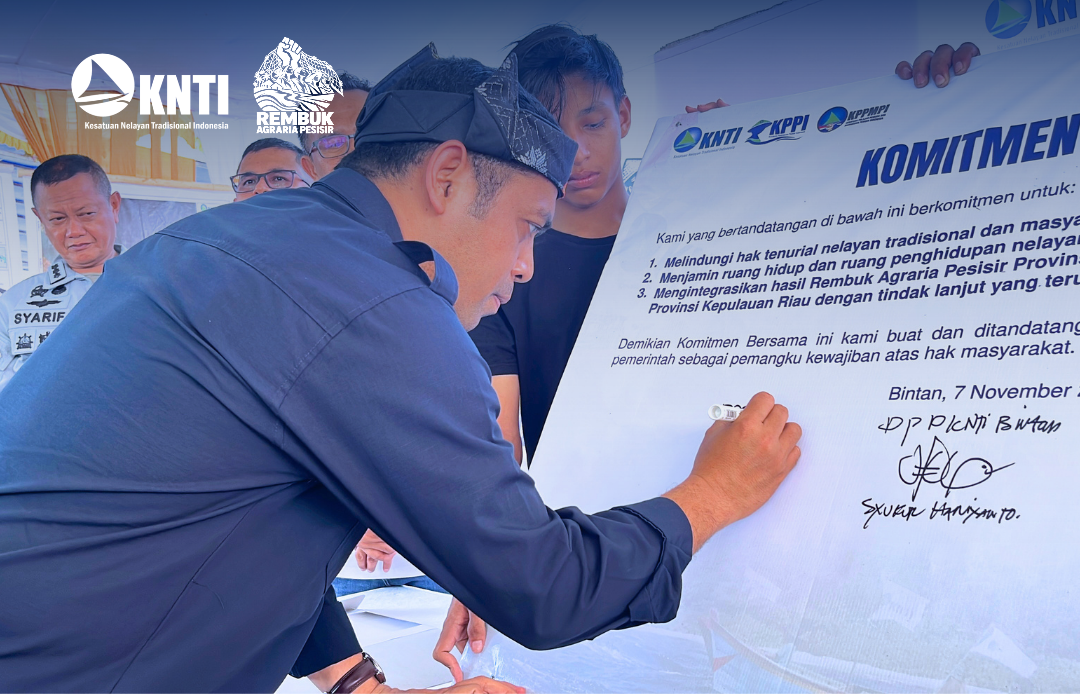
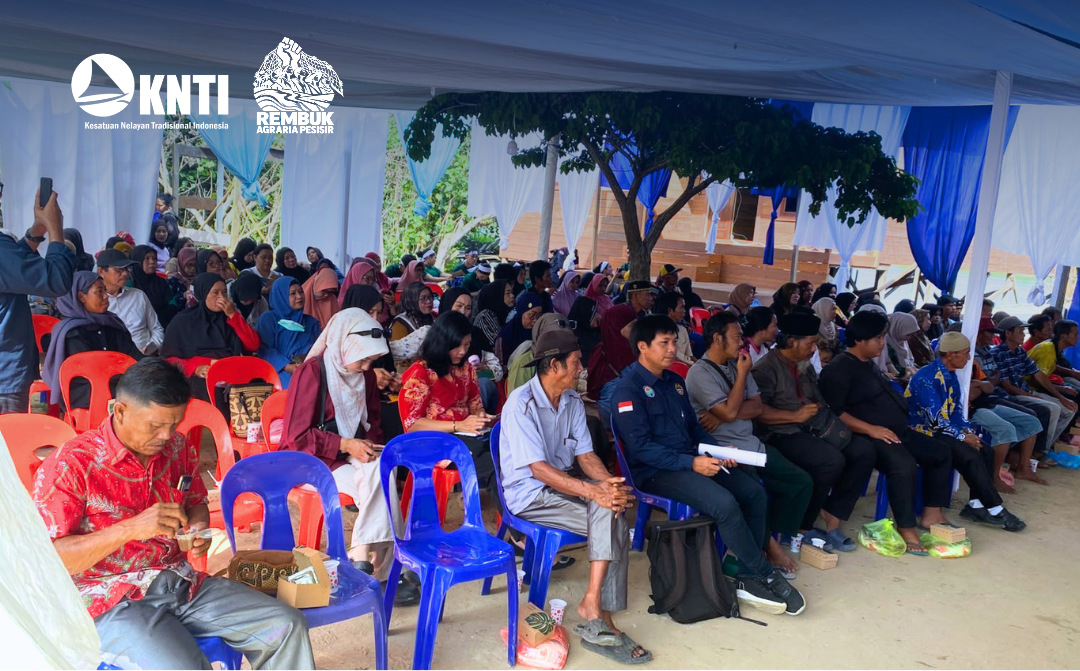
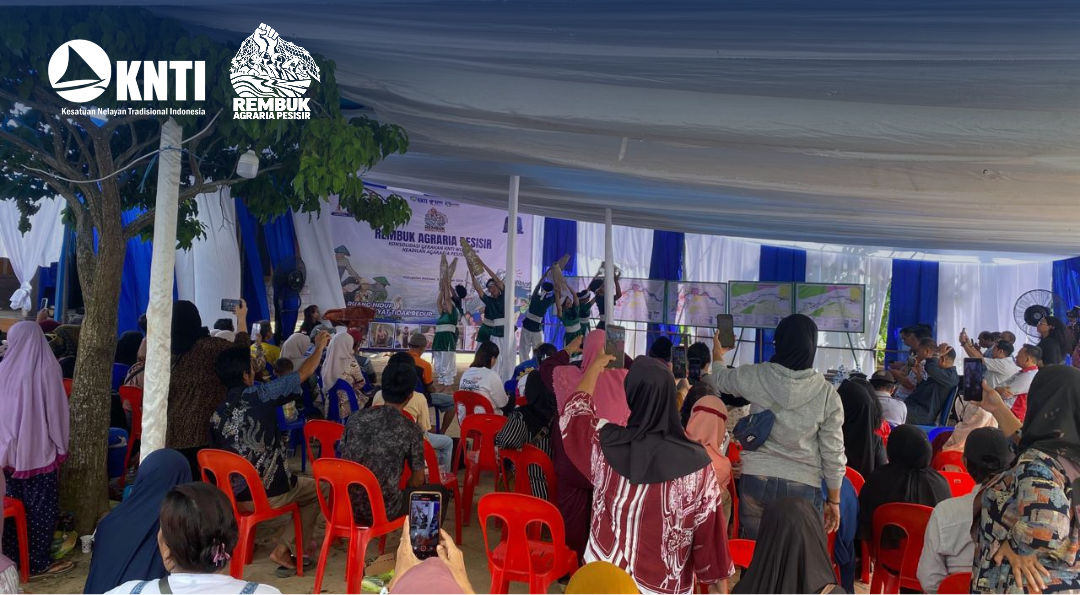
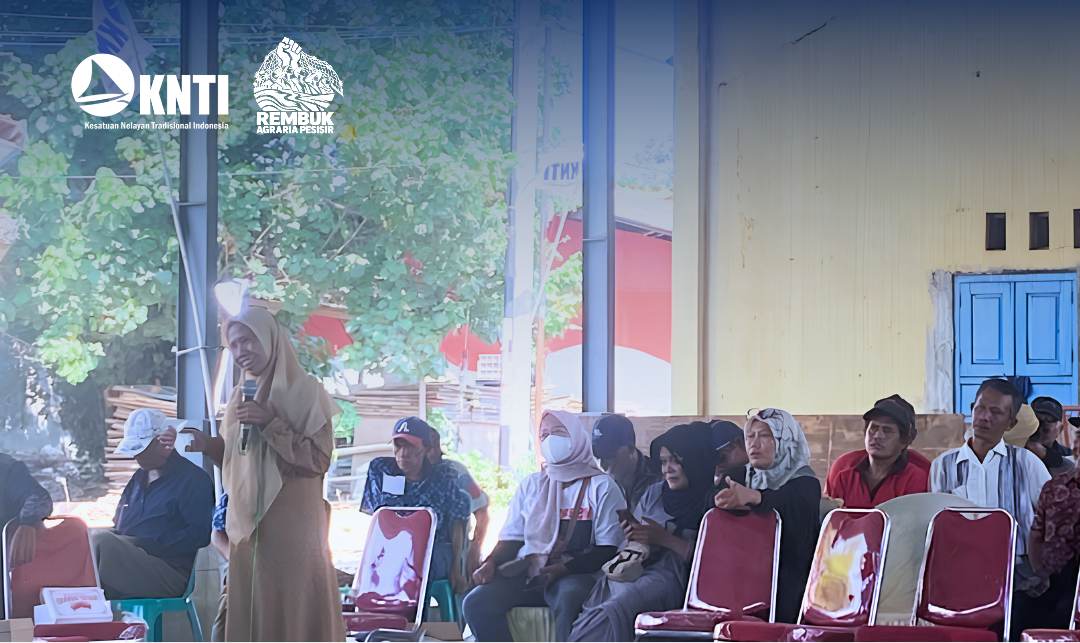
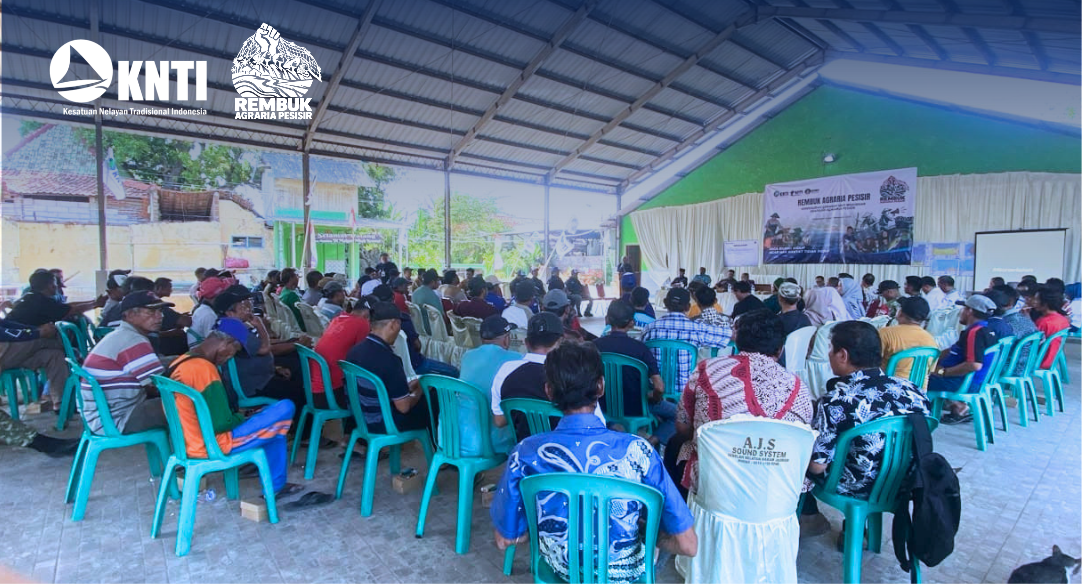
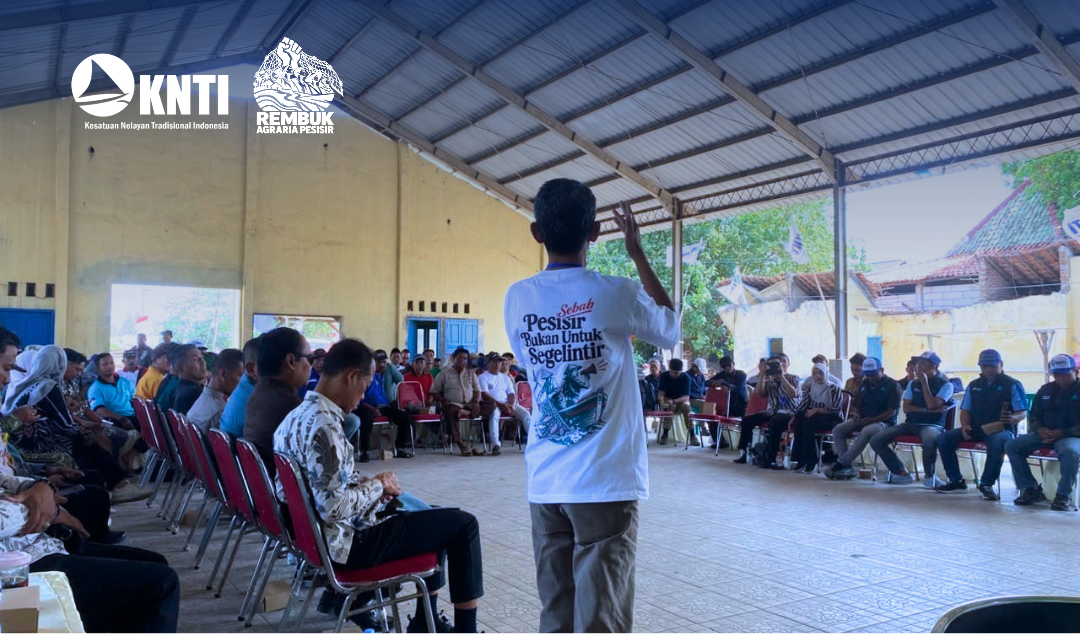
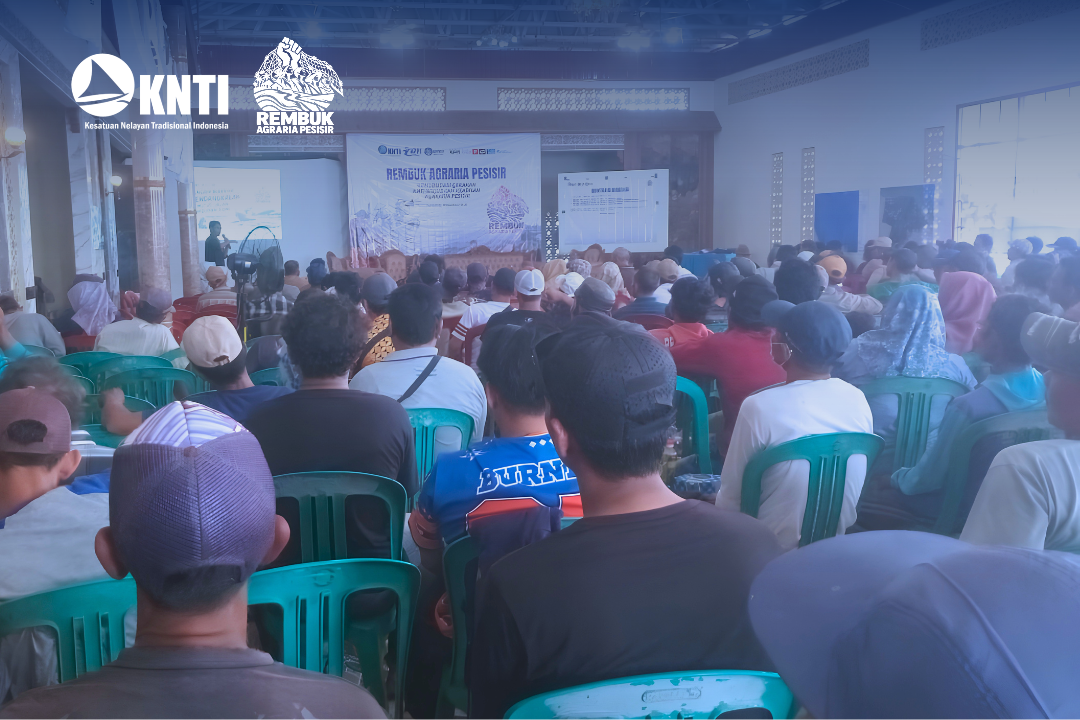
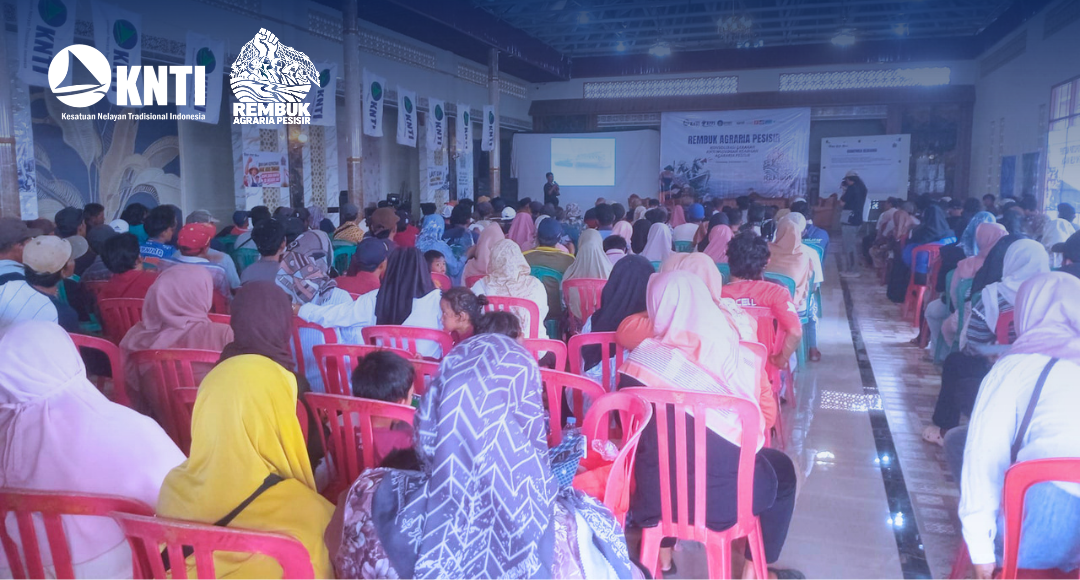
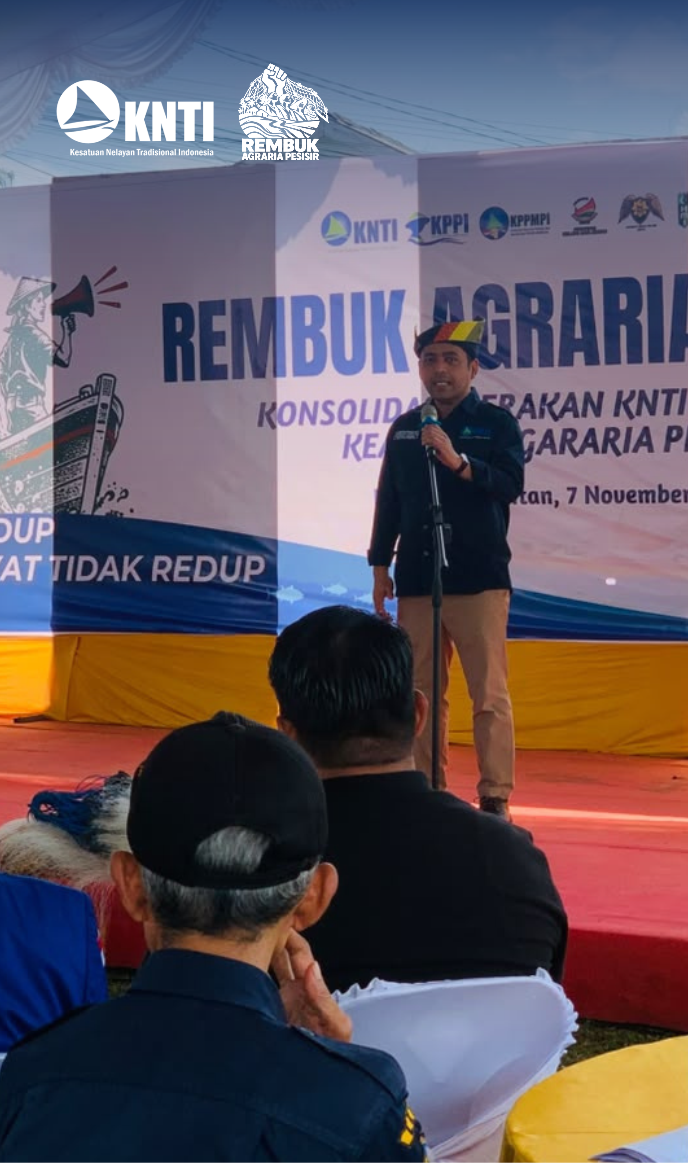
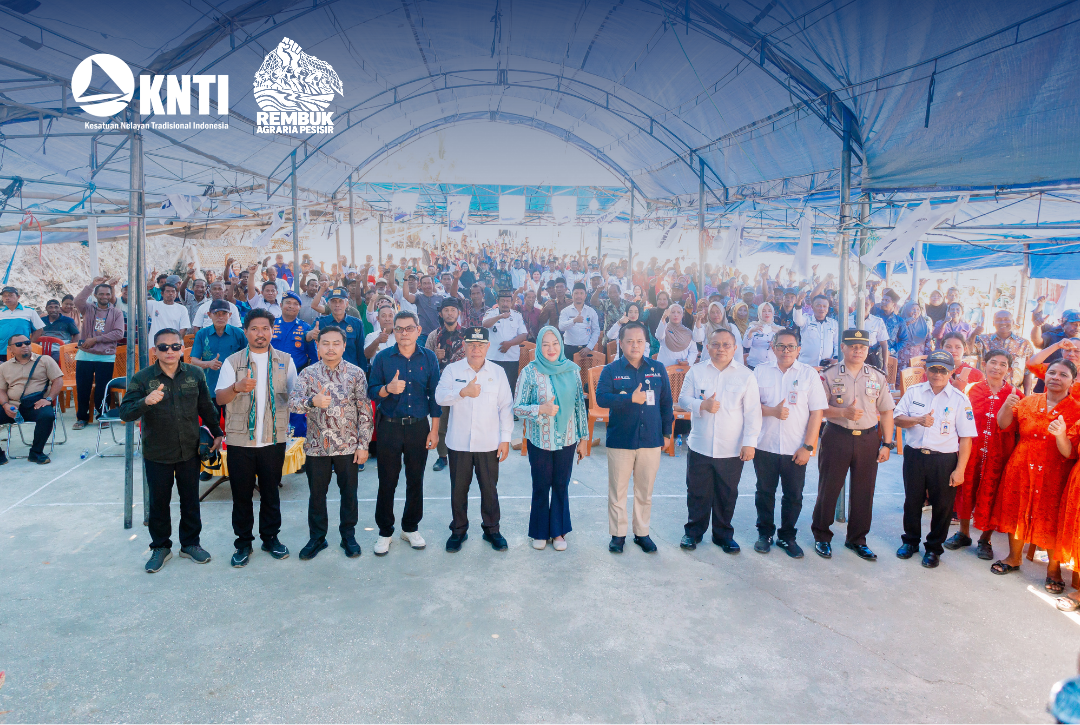
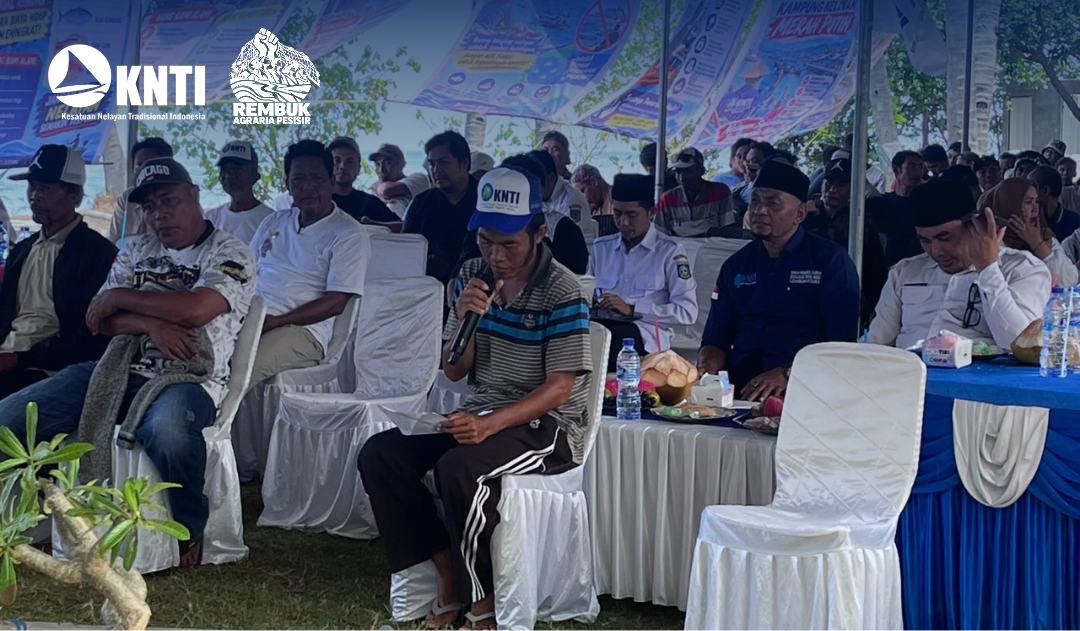
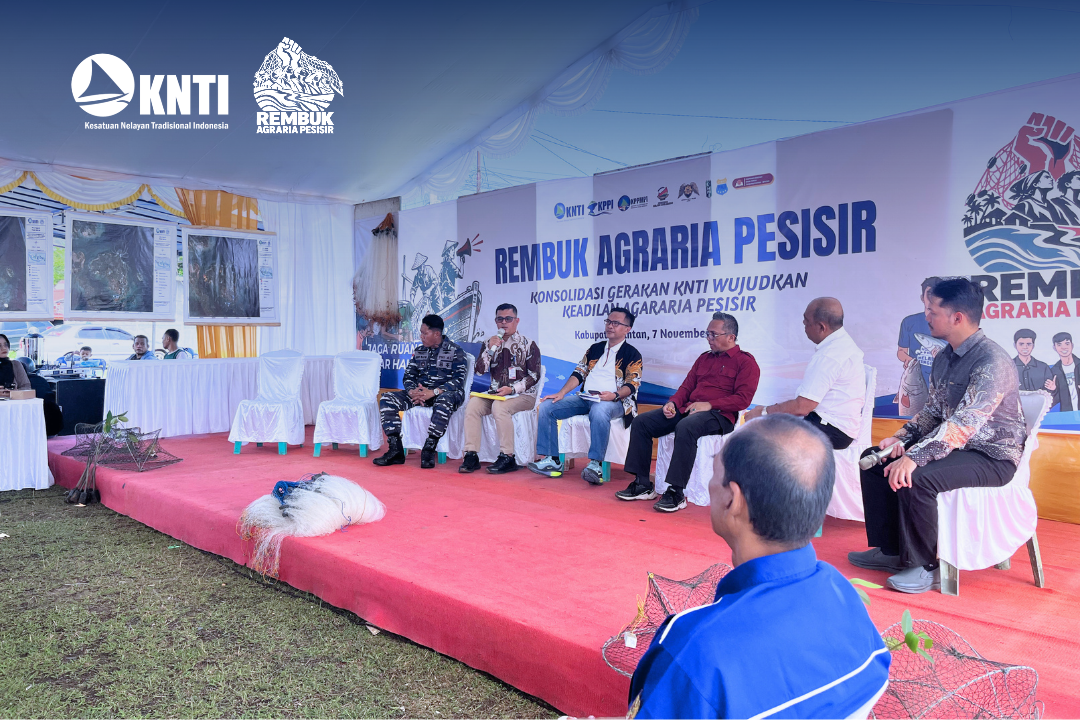
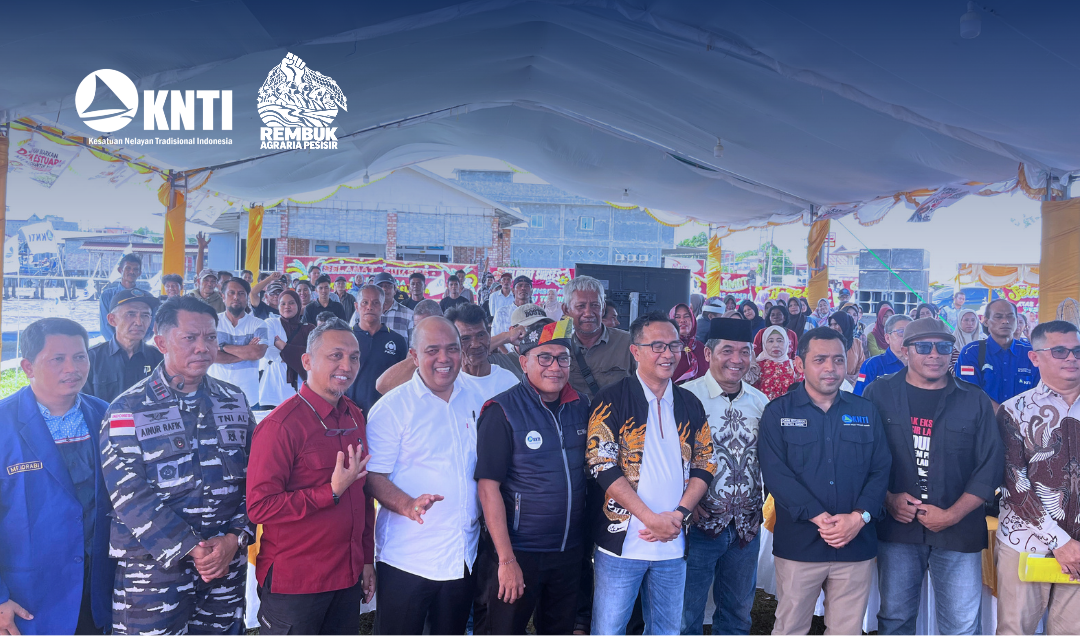
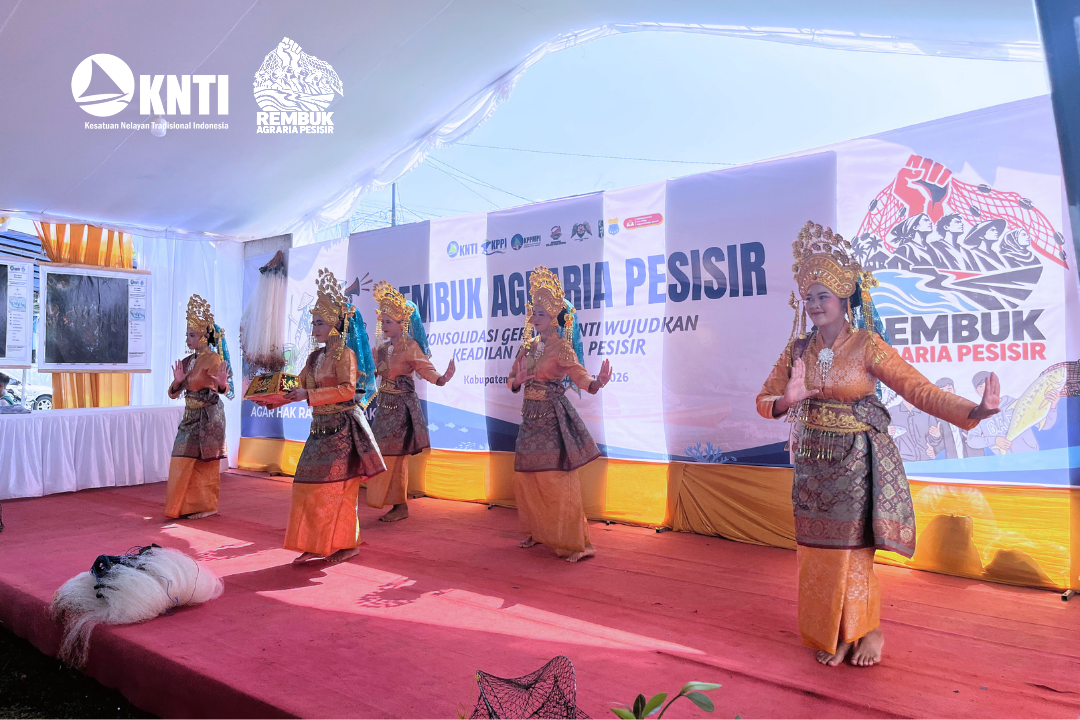
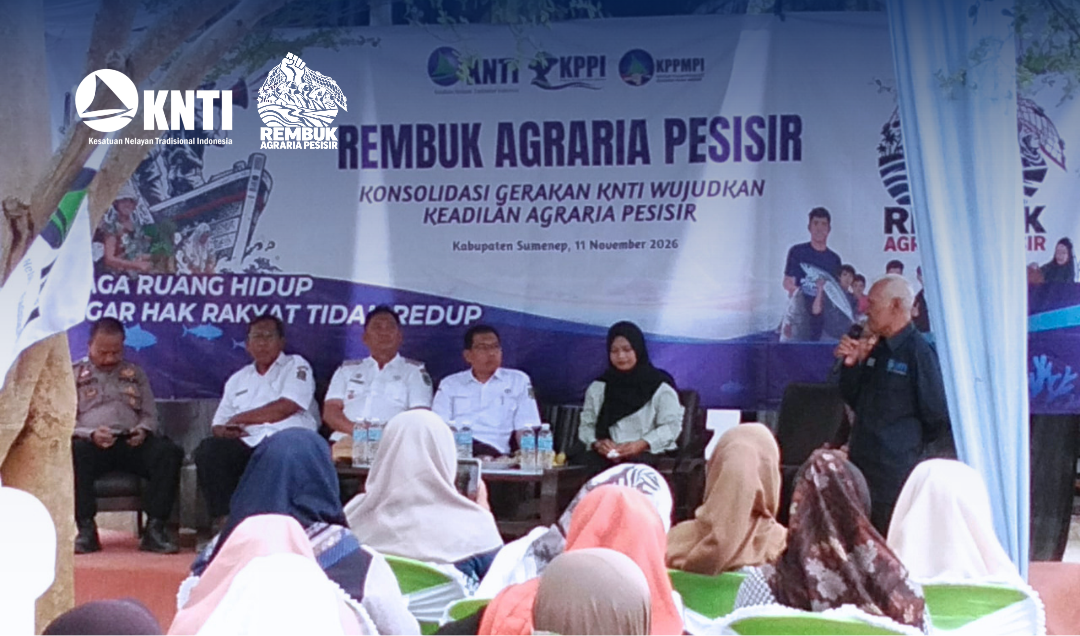
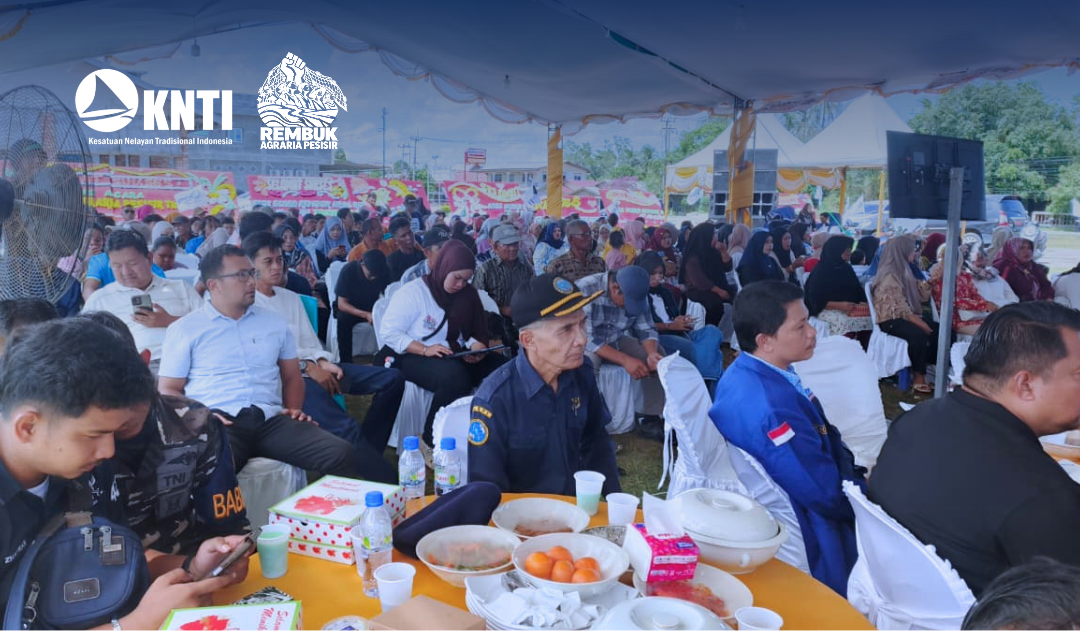
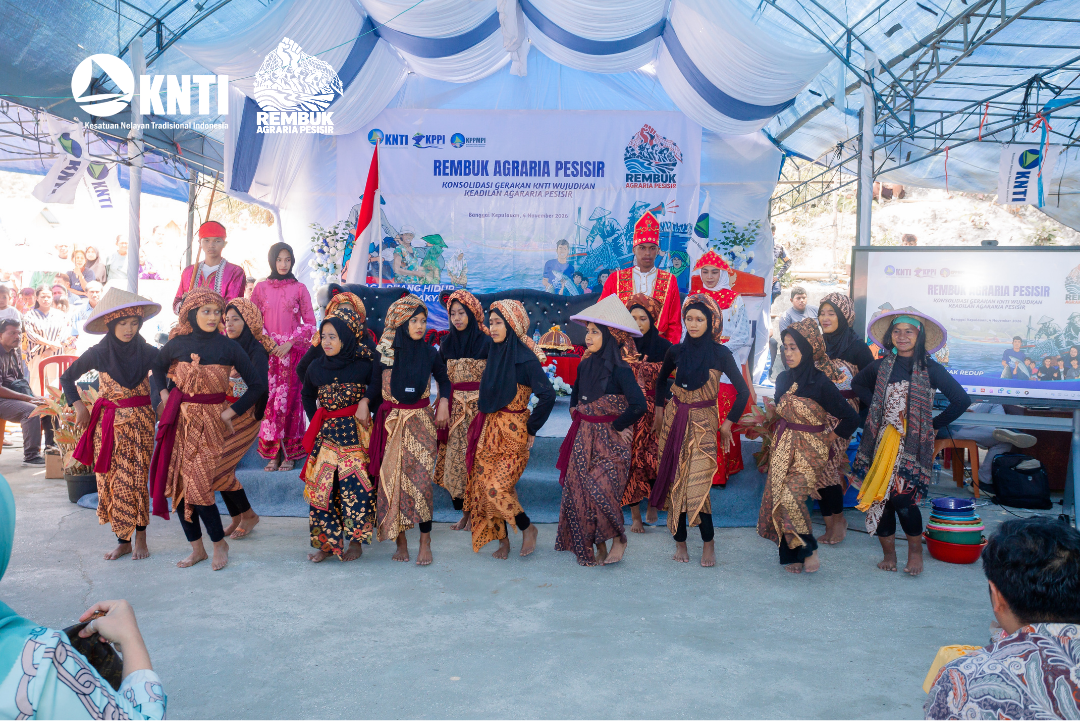
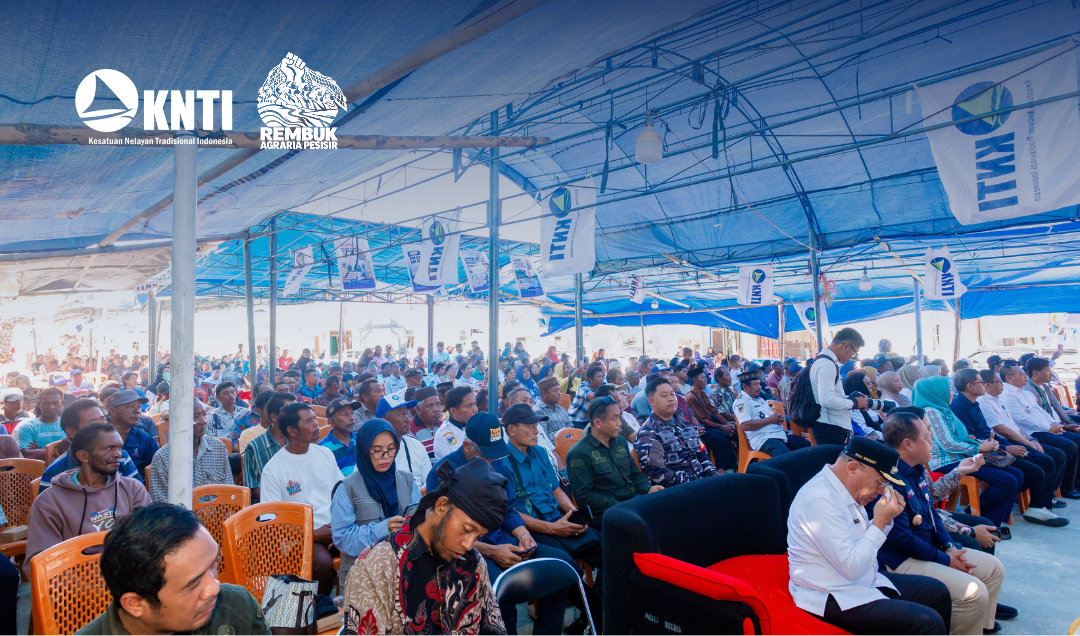
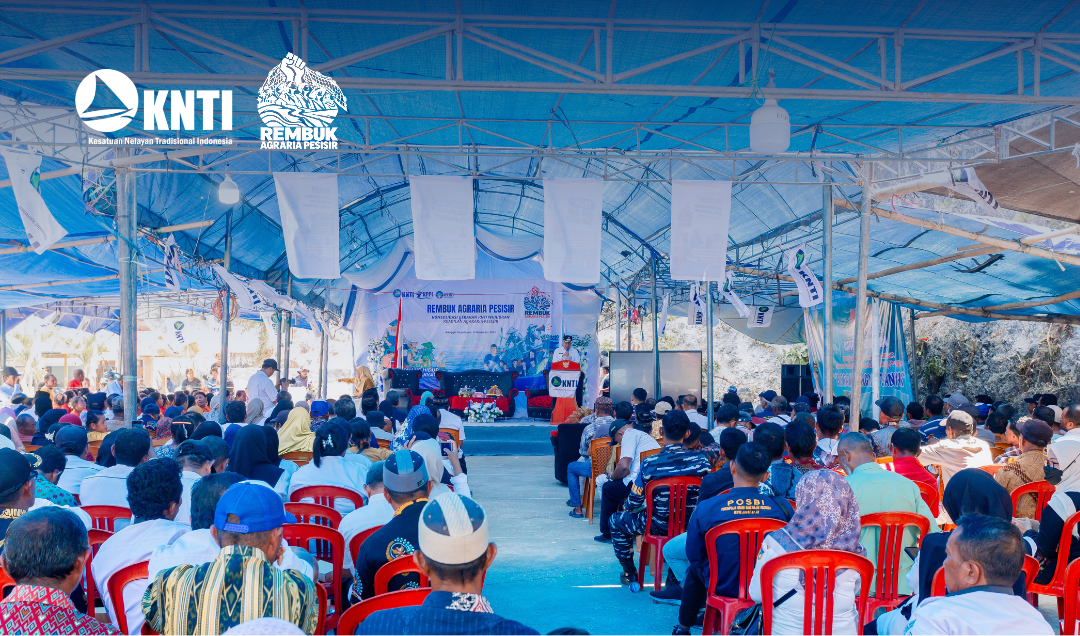
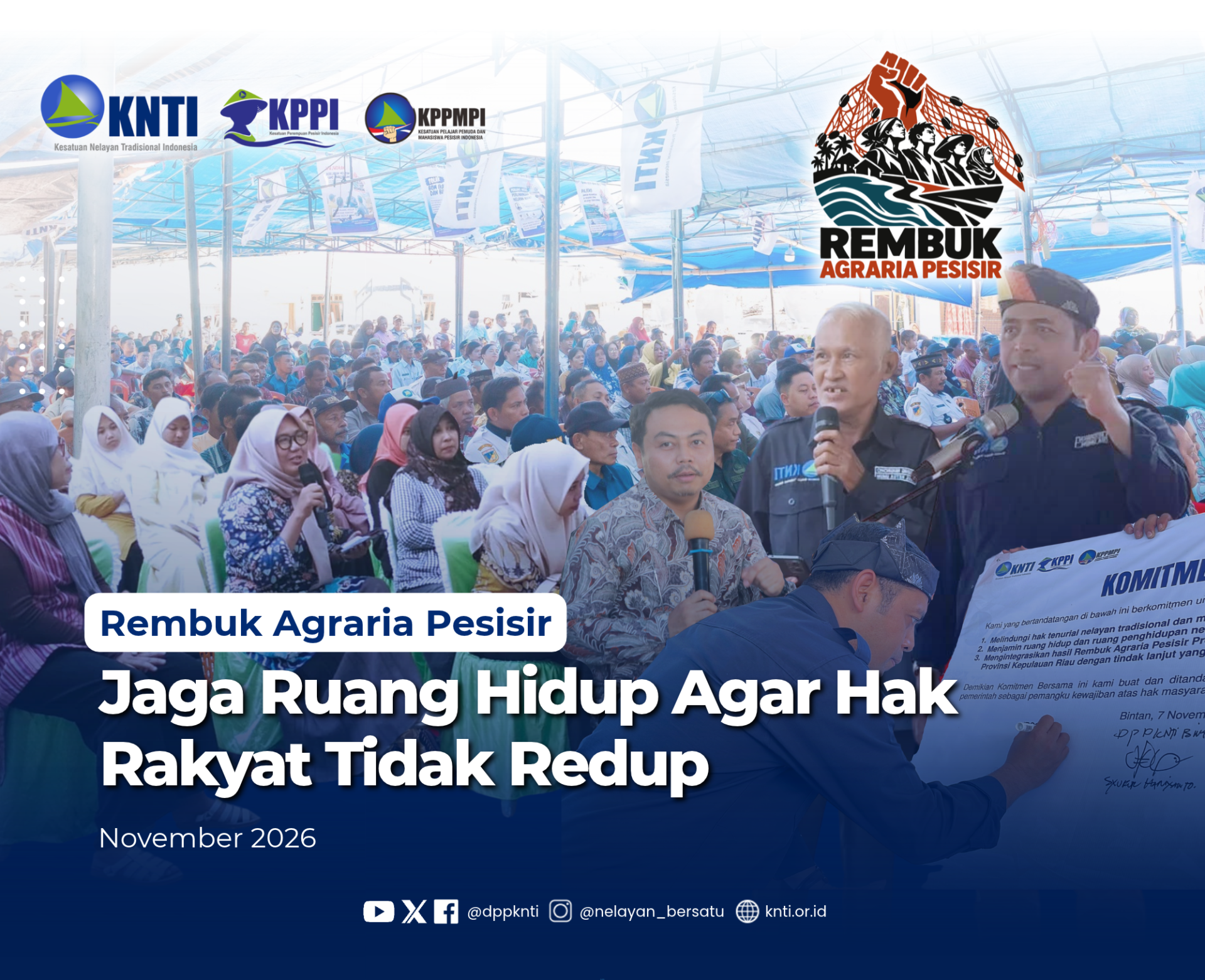
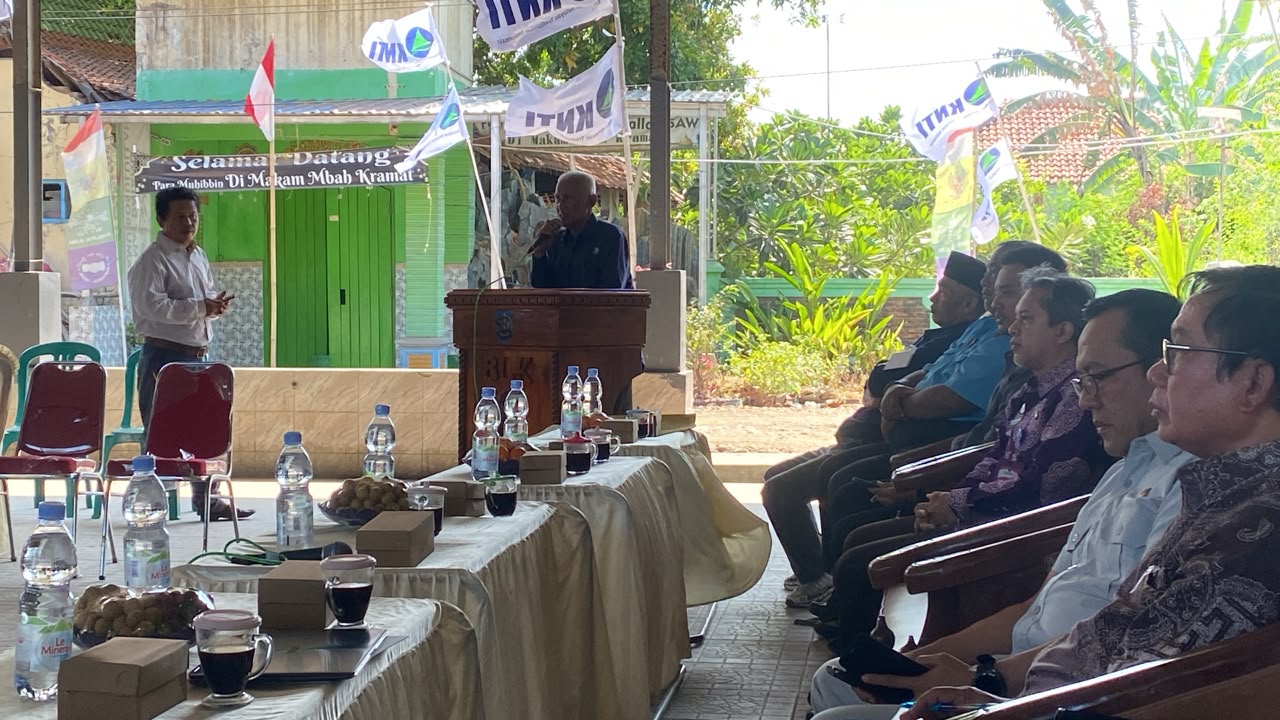
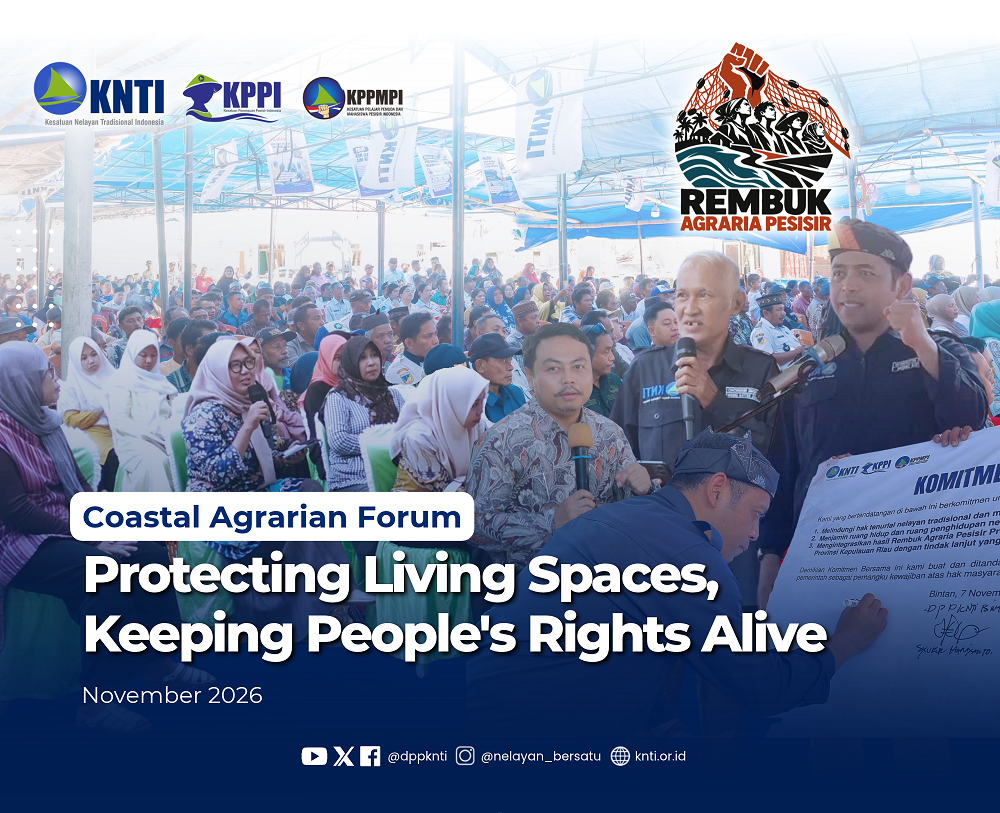
Based on this reality, the Indonesian Traditional Fisherfolk Union (KNTI) initiated the Coastal Agrarian Forum. This initiative was designed as a consolidation process rooted in the experiences and knowledge of village-level communities. Before the forum was held, village-level discussions were first conducted to gather and document issues, identify root causes, and formulate the community’s needs and demands. The results of this village-level process were then brought to the Coastal Agrarian Forum for joint discussion, presented to relevant government institutions, and advocated for inclusion in the follow-up agenda.
By November 2026, this series of initiatives had reached eight regions: Banggai Islands, Malinau, Tegal, Bintan, Karawang, Sumenep, North Lombok, and Fakfak. Through this process, issues that were previously scattered across various villages did not remain mere local grievances but began to be compiled and connected to reveal broader patterns of injustice.
The various issues that have arisen demonstrate that coastal injustice cannot be viewed as a standalone sectoral problem. The loss of access to beaches and fishing grounds, for example, affects not only fishing activities but also the right to food, work, and a decent livelihood, as well as the sustainability of communities’ social and cultural lives. Similarly, pollution and damage to coastal ecosystems are directly linked to the right to health and to a clean, healthy, and sustainable environment. These interconnections align with the principles in the Universal Declaration of Human Rights (UDHR), the International Covenant on Economic, Social and Cultural Rights (ICESCR), and the recognition of the right to participation and freedom of expression in the International Covenant on Civil and Political Rights (ICCPR).
The dimension of justice must also take into account the experiences and rights of groups that are often marginalized in decision-making. The protection of women’s rights as affirmed in CEDAW, as well as the recognition of the rights of indigenous peoples and farmers in UNDRIP and UNDROP, underscore the importance of ensuring that coastal policies do not overlook these groups. Meanwhile, the FAO Voluntary Guidelines on Responsible Tenure Governance (VGGT) and the Voluntary Guidelines to Ensure Sustainable Small-Scale Fisheries (SSF Guidelines) provide more specific guidance on protecting access, tenure, and community participation in resource management.
Asserting Rights and Demanding State Accountability
The Coastal Agrarian Forum is grounded in a human rights-based approach that positions fisherfolk and coastal communities as rights-holders, while the state and government institutions are duty-bearers who must respect, protect, and fulfill those rights.
Therefore, this forum is not merely a space for consultation or a place to request assistance. The forum serves as a space for communities to assert their rights, demand accountability, and urge the relevant authorities to take concrete action. Policies on coastal development and resource management must ensure community participation and must not sacrifice their rights or livelihoods.
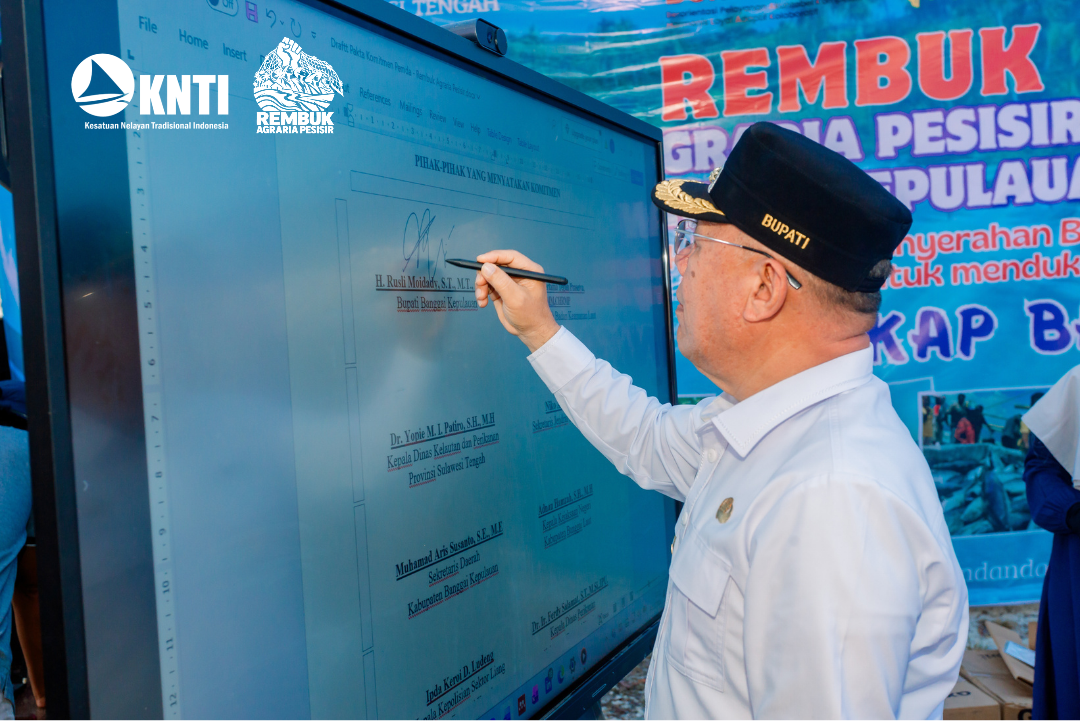
The demands gathered through village discussions and brought to the forum are channeled into concrete follow-up steps: identifying priority issues, formulating actions, designating responsible institutions and deadlines, and identifying support needs. The government’s commitments must be documented, followed up on, and monitored to ensure they do not remain mere statements made in the forum.
Ultimately, the Coastal Agrarian Forum is part of a broader effort to build a movement and an agenda for coastal justice. By initiating the process at the village level, connecting various local issues, and consolidating them into collective demands, KNTI seeks to strengthen the position of fisherfolk and coastal communities in their struggle for the recognition, protection, and fulfillment of their rights. This struggle is not only about resolving issues in individual regions but also about driving policy and governance changes that ensure justice for coastal communities throughout Indonesia. Because the Coast Does Not Belong to Just a Few.